
Many share the common idea that occupational therapy and speech therapy are similar, as both professions focus on rehabilitation services. However, there are distinct differences between the scope of an occupational therapist and speech therapist.  Occupational therapists practice in a number of areas including:
What is an occupational therapist?
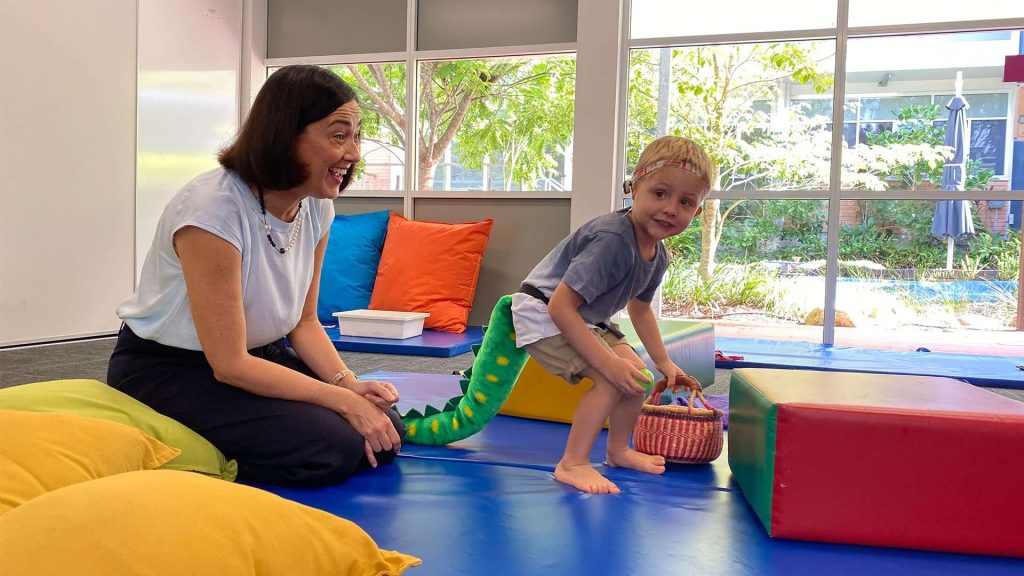
Occupation therapy, also commonly known as OT, is a field that treats a patient from head to toe. The primary goal is to help patients feel more independent in the activities of everyday living, whether it’s eating food, getting out of bed, or going to the shops. Occupational therapists use a range of exercises and adaptions to help individuals practice self-care and complete basic life skills that they might find challenging or overwhelming due to disability, injury or illness. Occupational therapists sometimes work closely with speech pathologists, particularly when working with a client who has hearing loss.Occupational therapy and hearing loss
It’s common for children with hearing loss to experience sensory or motor difficulties because the vestibular system, which is responsible for your sense of balance and movement, is located in the inner ear. For this reason, it may also be implicated when there is hearing loss. The vestibular system plays an important role in a child’s motor skill development including balance, core stability, muscle tone and coordination of both sides of the body. At Hear and Say, an occupational therapist will work with our team of speech pathologists and audiologists to holistically monitor and support the development of your child with hearing loss. They aim to identify potential issues as early as possible and then provide targeted strategies to help children thrive in their everyday settings.Practice areas and expertise
Occupational therapists work with people who might be impacted by:- Aging
- Injury or illness.
- Autism.
- Difficulties with fine and gross motor skills.
- Developmental delay.
- Intellectual disability.
- Physical disability.
 Occupational therapists practice in a number of areas including:
- Acute care therapy: Working directly with patients in hospital who require immediate treatment plans after experiencing a high-risk surgery or traumatic injury.
- Acute rehabilitation therapy: Intense rehabilitation therapy where patients are required to stay for an extended period of time and attend daily sessions.
- Subacute care therapy: People that are currently not in hospital but still require intense therapy. Occupational therapists will typically work with patients three to five times during a week.
- School environments: An occupational therapist will work independently in a classroom helping students with learning difficulties and social participation.
- Home care: Therapy sessions delivered within the patient’s home.
- Private practice: Sessions are booked via appointments and treatment is based on the patient’s particular needs.
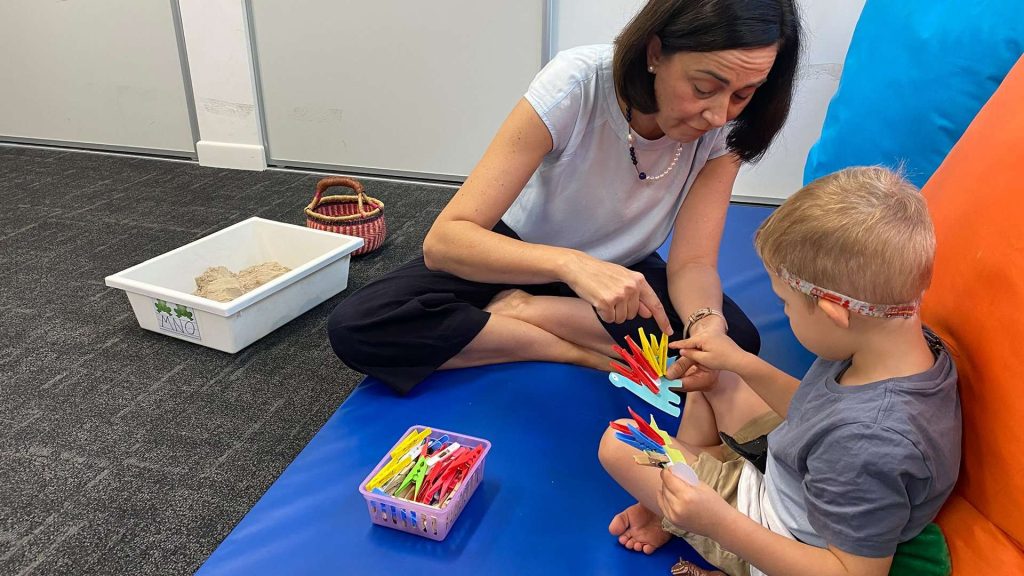
- Teach life skills: An occupational therapist will explore many aspects that assist the patient in developing various life skills. This can include supporting appropriate positioning for eating and swallowing, potentially including aids such as adapted utensils.
Education and qualifications
In order to practice, occupational therapists must obtain the following qualifications:- An undergraduate or master’s degree in occupational therapy.
- Be recognised and meet the national regulation requirements set by the Occupational Therapy Board of Australia for the Australian Health Practitioners Regulation Agency.
Benefits of occupational therapy
The main focus of occupational therapy is to support independence, safety and meaningful engagement in daily tasks. These tasks are inclusive of self-care, productivity and leisure activities. When working with children, the aim of occupational therapy is to get the child to be able to participate in their activities of daily living and play the same as their siblings and peers.When Should You Consider Occupational Therapy for Your Child?
You might consider coming to an occupational therapist if you’ve noticed that your child has been slower to reach some of their gross and fine motor milestones. For example, your child might be taking longer to learn how to crawl, walk, jump or climb on playground equipment. You might also notice that your child has difficulty using their hands for play and self-care activities like holding cutlery at mealtime, holding a pencil for drawing and writing activities, or learning to cut with scissors. Alternatively, you might be concerned about your child’s ability to settle and focus on play and early learning activities. Children need to be able to control their bodies so that they can sit stably to attend and listen. They also need to be able to screen sensory input so that they can focus on what is relevant in a particular situation.What is a speech pathologist?
Speech pathologists, also commonly known as speech therapists, help people with speech and language challenges. A speech therapist’s overall goal is to help their patients communicate more effectively.Practice areas and expertise
Speech pathologists can help with:- Articulation.
- Speech motor planning.
- Oral motor skills.
- Swallowing.
- Language development.
- Developmental delays.
- Learning disabilities.
- Traumatic brain injuries

Education and qualifications
To practice speech pathology, an individual must obtain:- An undergraduate, master’s or doctoral degree in speech pathology.
- Be recognised as a member of the professions governing body, Speech Pathology Australia.
Listening and Spoken Language Specialist certification
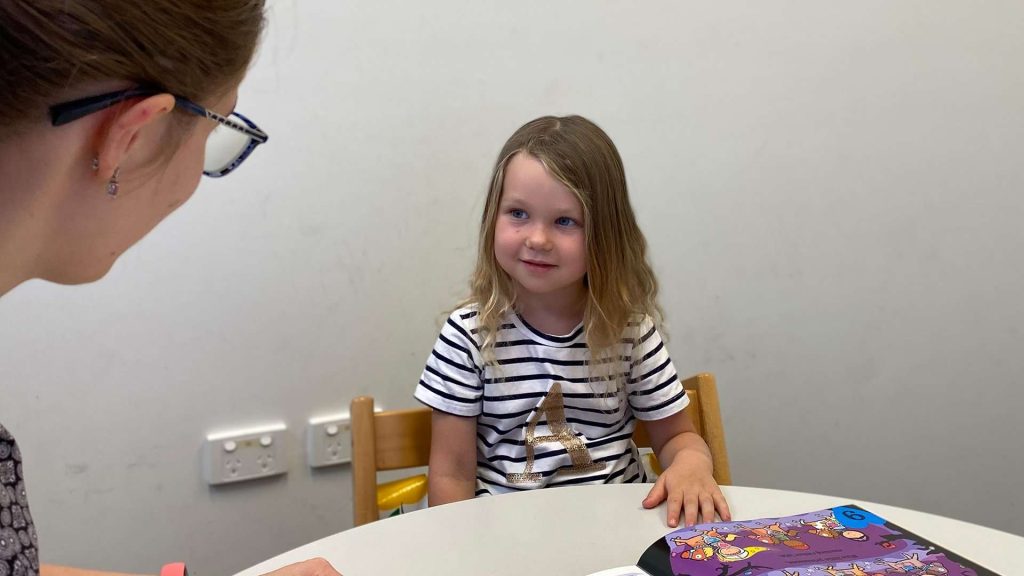
Hear and Say has many listening and spoken language specialists who have undergone specific training to work with people impacted by hearing loss. In addition to the above, they have completed the below to achieve the Listening and Spoken Language Specialist certification:- 900 hours of professional experience.
- 80 hours of professional development.
- 20 hours of mentored sessions.
- Pass the final exam.
Benefits of speech therapy
Speech pathologists can be helpful to people of all ages, whether it’s to help them to speak more clearly or to understand one’s feelings and thoughts. Mastering these skills also increases self-esteem and independence for people with speech and language disorders.Speech therapy for children
Every family hopes their child will meet all their developmental milestones. It can become worrying if your child does not seem to be on track with the development of their communication skills, from first words to articulating phrases to language comprehension. It can also be extremely frustrating for the child who is desperately trying to express themselves when they have something to say. Thankfully, speech therapists are an invaluable resource when it comes to supporting a child’s speech, language and communication skill set.Speech therapy for children with hearing loss
For children with hearing loss who use technology like hearing aids, learning to hear and speak takes a lot of work and additional support. At Hear and Say, our speech pathologists specialise in working with children impacted by hearing loss. They work closely with paediatric audiologists and occupational therapists to help the child reach their language goals. Speech therapists tailor each lesson to the individual to give babies and children the critical skills they need to hear and speak just like others around them. Lessons often involve lots of play-based learning, including games and reading.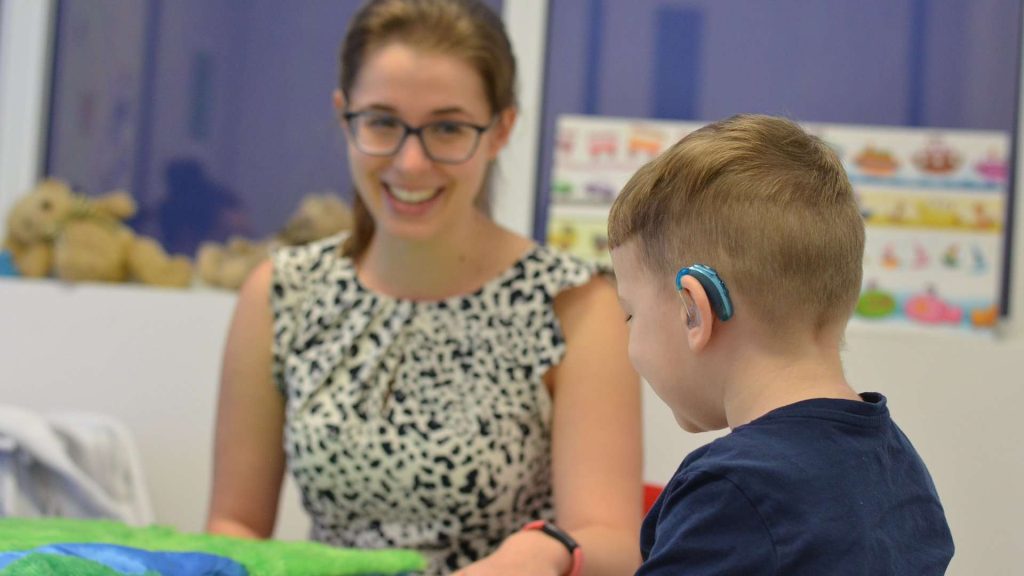
Similarities between occupational therapy and speech therapy
While these careers are different from one another, they both share a common goal of improving patients’ lives. Occupational therapists’ and speech therapists’ career paths align in the following ways:- Evaluation: Evaluating patients for issues and disorders is a key responsibility for occupational therapy and speech pathologists.
- Treatment plans: Both occupational therapists and speech pathologists use what they have learned from evaluating their patient’s ability along with their medical history to create tailored treatment plans. Both professions are highly evidence and research based.
- Family education: Most therapy patients have disabilities that require a collaborative approach with their families to continue treatment outside of sessions. Speech pathologists and occupational therapists both have to educate families on injuries and disorders. This includes what families can do to help patients benefit from therapy as much as possible and develop critical life skills.

Differences between occupational therapy and speech therapy
While both professions work in similar settings and some treatments may overlap, there are some main differences between occupational therapy and speech therapy, including:- Different therapeutic focus: Speech pathology is primarily focused on issues and disabilities surrounding communication. Whereas occupational therapy is focused on the big-picture perspective, analysing the individual’s problems as intertwining issues and developing relevant treatment to cater for that.
- Different required education and training: While the training for both occupational therapy and speech therapy is similar, there is different education and training required to practice.