
Has Your Child Had a Hearing Test?
If you have concerns regarding your child’s hearing or listening or your child has a history of ear infections, it may be helpful to book a hearing test with an audiologist prior to your speech pathology appointment to ensure that your child has good access to sound when learning to listen and speak.
What is a Speech and Language Assessment?
A speech and language assessment helps determine your child’s developmental stage and provides insights into how they communicate and interact with others.
The assessment is tailored to your child’s age, abilities, and the specific concerns you’ve raised. A variety of tools and techniques are used, including:
A parent interview to discuss your concerns, your child’s medical history, and their developmental progress.
Observations of your child’s communication and interaction with both familiar people (like family members) and unfamiliar people (such as the therapist) during play, conversation, and structured tasks.
Standardised assessments to evaluate your child’s communication and social skills in a formal, measurable way.
A holistic review of other areas of development that may impact communication, including hearing, vision, thinking skills (cognition), and motor abilities.
This comprehensive approach ensures a well-rounded understanding of your child’s strengths and challenges.
The speech and language assessment gathers information across a range of communication skills, tailored to your child’s age, abilities, and specific needs. These may include:
Speech sounds and clarity (articulation)
Understanding and use of language (comprehension and expression)
Literacy skills, such as reading, spelling, and writing
Social communication and interaction with others
Speech fluency, including stuttering
Voice quality, such as pitch, volume, and vocal health
The results will highlight your child’s strengths as well as any areas of difficulty. If a communication delay or disorder is identified, your child will be offered access to speech therapy services.
These services include a personalised support plan with activities and strategies to help develop your child’s communication skills. If the assessment indicates challenges beyond speech and language—such as hearing, cognitive, or emotional concerns—a referral to another health or medical professional may be recommended for further support.
How is a Child’s Speech Assessed?
Children typically develop their speech sounds during the first eight years of life. It’s normal for young children to make speech errors, but each sound is expected to develop within a certain age range. A speech assessment helps identify the types of errors your child is making and whether they are typical for their age or may indicate a delay or disorder. For children under three years The speech pathologist will observe your child’s speech during natural activities like play and conversation. These observations help assess how your child uses and produces speech sounds in everyday interactions. For children aged three years and over A more structured approach is taken. The speech pathologist will use standardised speech assessments, where your child may be asked to name or describe pictures. Their speech will be recorded and analysed both during the assessment and in conversation. In some cases, your child may also be asked to imitate specific mouth and facial movements. This helps assess the structure and function of the muscles used for speaking.How is a Child’s Language Assessed?
Language development begins early in life, with the first five years being especially important for building strong communication skills. During this time, children learn to understand and use words, gradually combining them into longer sentences, stories, and conversations that grow in complexity.
A language assessment looks at how well your child understands and uses language. It examines their vocabulary, grammar, sentence structure, and storytelling abilities. The goal is to determine whether your child’s language skills are developing appropriately for their age, and whether they are able to communicate effectively in everyday situations—such as conversations, social interactions, learning at school, and eventually in the workplace.
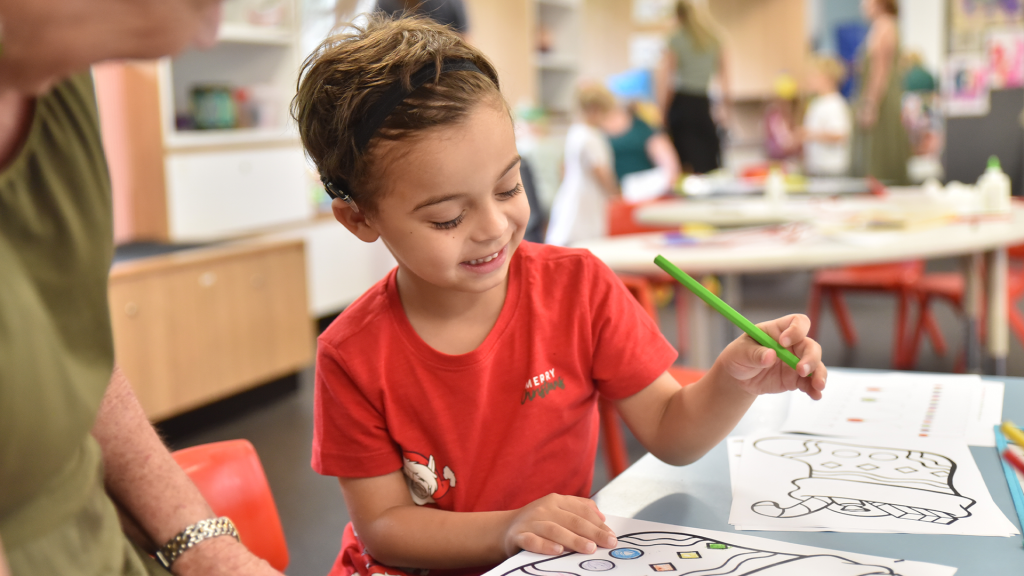 Children under three years: Your child will be engaged in a variety of play and conversation activities with a speech pathologist. The size of their vocabulary and use of word combinations and sentences will be observed and analysed during conversation and play. It is common for children of this age not to speak in front of unfamiliar people, so your information on the language they produce at home will be important in determining their levels of development. Standardised language tests or checklists can also be implemented and often include reports from parents. Children three years and over: A speech pathologist will undertake some standardised language tests with your child. They will be required look at pictures, answer questions, create sentences, and label items. Their comprehension, vocabulary, sentences, and stories will be recorded and analysed during this assessment and in conservation.